W8082 State Road 76, Shiocton, WI 54170 | Mon-Sun: 6:00am-9:00pm
Call (920) 986-3102
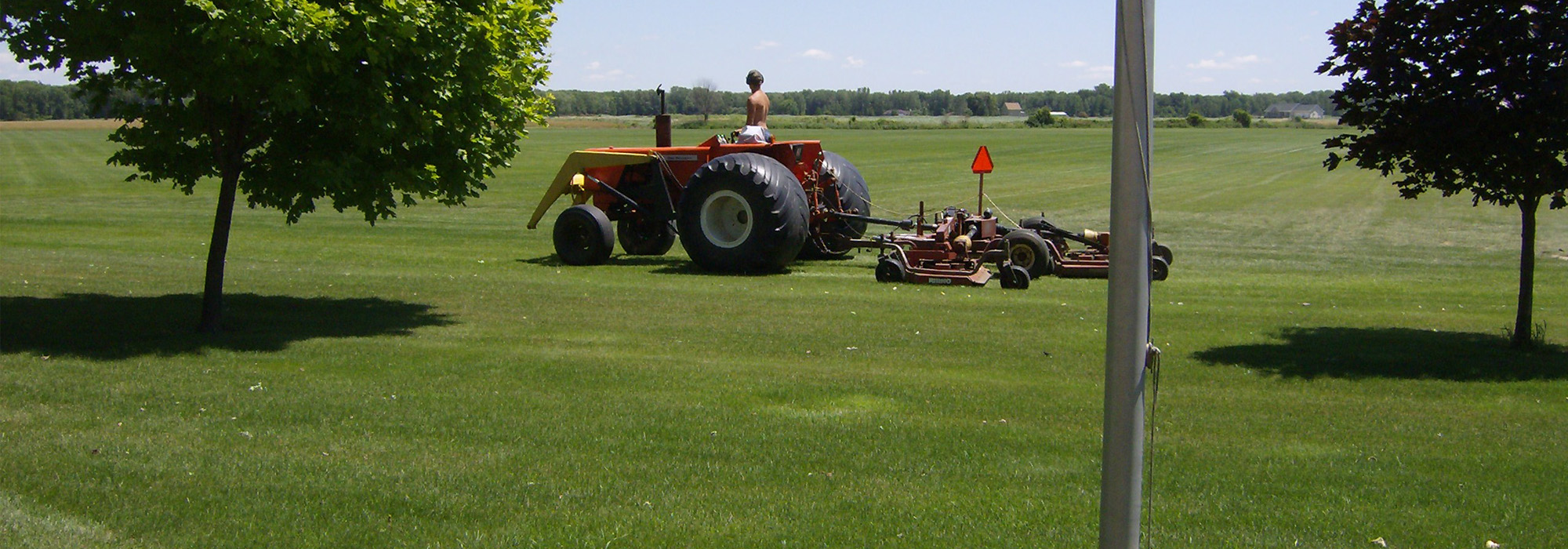
Installing new sod is only the first step toward creating a beautiful lawn. Proper maintenance during the first several weeks is critical to helping your sod establish deep, healthy roots that will provide years of thick, green growth. At AGA Sod Farm, we want every customer to enjoy the full benefits of their investment, which is why we provide expert guidance on watering, fertilization, and mowing.
The establishment period is when your new lawn needs the most attention. With consistent care and proper maintenance practices, your sod will quickly root into the soil and develop into a strong, healthy lawn that enhances the beauty and value of your property.
Ready to get started? Contact AGA Sod Farm today to discover why the Fox Cities has trusted us for over 35 years.
Water is the single most important factor during the establishment of your new lawn. Freshly installed sod must remain consistently moist while new roots begin growing into the underlying soil.
Immediately after installation, water the lawn thoroughly until both the sod and the soil beneath it are soaked several inches deep. During the first week, frequent watering is usually necessary to prevent the sod from drying out, especially during warm, sunny, or windy weather.
As the roots begin establishing, you can gradually reduce the frequency of watering while increasing the amount applied during each irrigation. This encourages the roots to grow deeper into the soil, resulting in a healthier, more drought-resistant lawn.
Avoid allowing standing water to remain on the lawn for extended periods, and do not let the sod dry out completely during the rooting process. Consistent moisture is the key to successful establishment.
Proper fertilization provides your new lawn with the nutrients it needs to establish quickly and maintain a rich green appearance.
After your sod has rooted into the soil, apply a quality lawn fertilizer according to the manufacturer's recommendations or based on your soil conditions. A balanced fertilizer helps encourage healthy root development while supporting thick, vigorous turf growth.
Throughout the growing season, continue following an appropriate fertilization schedule to replace nutrients naturally used by the grass. Over-fertilizing can create unnecessary stress on the lawn, while under-fertilizing may result in slower growth and reduced color.
If you're unsure which fertilizer is best for your lawn, the team at AGA Sod Farm is happy to provide recommendations based on your property and growing conditions.
Your first mowing should not take place until the sod has firmly rooted into the soil and the grass has reached the appropriate mowing height. Gently tug on a corner of the sod to verify that the roots have begun anchoring it in place before mowing.
Always use a mower with a sharp blade to create clean cuts and reduce stress on the grass. Dull mower blades tear the grass instead of cutting it cleanly, making the lawn more susceptible to disease and discoloration.
Never remove more than one-third of the grass blade during a single mowing. Following this simple rule encourages healthier growth and helps maintain a dense, attractive lawn.
Continue mowing regularly throughout the growing season while adjusting mowing height as weather conditions change. Slightly taller grass during hot summer months helps shade the soil and improve moisture retention.

Proper lawn care extends beyond watering, fertilization, and mowing. Following a few additional best practices will help your lawn establish more successfully and remain healthy for years to come.
Routine maintenance protects your investment and helps ensure your lawn continues looking its best throughout every season.
A healthy lawn doesn't happen by accident. Consistent maintenance during the first several weeks creates the strong root system your grass needs to withstand changing weather conditions, regular foot traffic, and everyday use.
Proper watering, fertilization, and mowing work together to produce a lawn that is:
The effort you invest early will pay dividends for many years with a lawn that remains beautiful season after season.
A. New sod should be watered immediately after installation and kept consistently moist during the first several weeks. As roots establish, watering can gradually become less frequent but deeper.
A. Fertilizer is typically applied after the sod has begun rooting into the soil. The proper timing may vary depending on the season and growing conditions.
A. Wait until the sod has rooted firmly into the soil and the grass has reached the recommended mowing height before the first cut.
A. Foot traffic should be kept to a minimum until the sod has fully established its root system.
A. Allowing new sod to dry out can damage developing roots and reduce successful establishment. Consistent watering is essential during the early weeks.
AGA Sod Farm proudly serves customers throughout Northeast and Central Wisconsin, including:
Contact Information
Service Area Map
© AGA Sod Farm. All Rights Reserved. Web Company